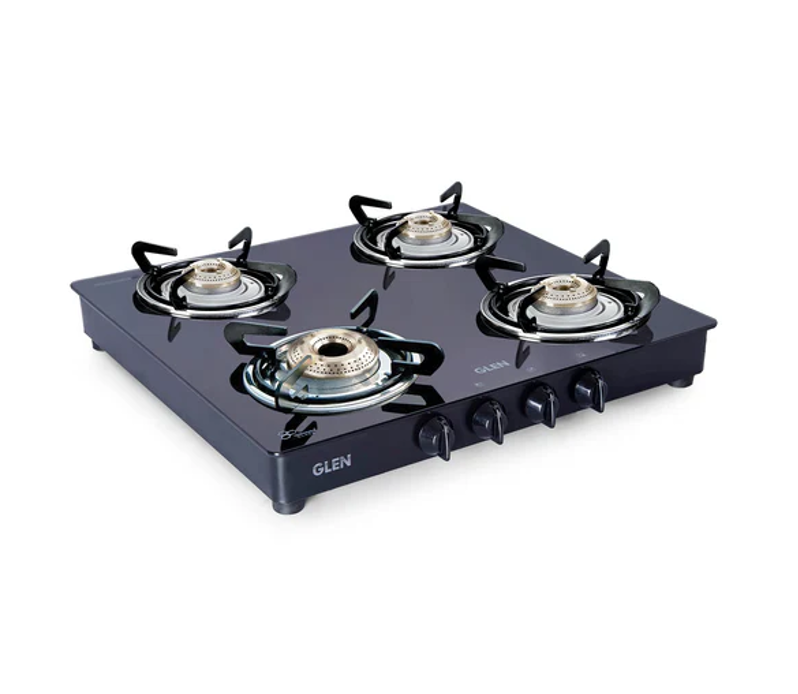

Cooking surfaces essentially define the ways in which heat, safety, and control can be brought together in a kitchen. Materials are required to endure heat at various levels, sudden spills, and daily cleaning without getting damaged. A glass stove rises to the occasion in these aspects by means of tempered panels, smooth heat zones, and sealed burner layouts. Sensors, ignition systems, and flat surfaces work as a single unit to manage flame or electric heat with control. A glass top cooktop also changes how users interact with cookware, movement, and space. These technical traits influence comfort, cleaning effort, and long term use, which makes it important to understand both benefits and limits before choosing this surface.
Design and Visual Appeal in Modern Kitchens
Visual order plays a strong role in how kitchens feel during use. Glass cookingtops not only create a clean look but a surface that blends with the cabinets and countertops. This reflective and shiny finish adds brightness without extra lighting. This matters in open kitchens where the cooking zone stays visible from living areas. Such surfaces support simple design choices while keeping controls close and clear. The surface also avoids gaps where food can hide. Over time, this neat appearance reduces visual noise and helps users maintain a calm cooking space with less effort.
Heat Control and Cooking Performance
Performance depends on how evenly heat spreads across cookware during active use. Glass surfaces support stable flame rings or electric zones that stay consistent through long cooking cycles. The flat base helps pans sit firm, which improves contact and heat flow. This supports simmering, controlled frying, and slow cooking without sudden hot spots. Users can slide cookware without lifting, which reduces spills and wrist strain. Heat response stays predictable when the right cookware is used. While the surface itself does not heat food, it supports precise control by keeping burners aligned and stable during frequent movement.
Cleaning Effort and Daily Maintenance
Ease of cleaning is a strong reason users prefer glass surfaces in busy homes. Spills remain on top instead of dripping into gaps or seams. A simple wipe after cooling clears most stains and splatter. Smooth glass avoids rust and discoloration common on metal finishes. Sealed burners limit grease entry below the surface, which reduces deep cleaning needs. Over time, less buildup means fewer harsh cleaners and less scrubbing. Care still matters, as heavy force can scratch the surface. With basic habits, daily upkeep stays quick even after long cooking sessions.
Durability and Safety Considerations
Tempered glass is designed to stand up to heat and weight, however, it does have a few drawbacks that users ought to be aware of. A sudden drop of a heavy object on it may result in cracks or chips on the glass. Also, if after heating it intensely, the glass is suddenly cooled, and if in such a case a lot of liquid is spilled on the glass, then the surface may get stressed. A glass top cooktop requires mindful use of cookware with flat bases and smooth edges. Safety features like auto ignition, flame failure devices, and heat indicators add control during use. While strong, glass needs care during handling and cleaning. Users who follow simple safety practices often find the surface reliable for years.
Cost Factors and Long Term Value
Price often shapes first impressions, yet value comes from daily comfort and lifespan. Glass cooktops usually cost more than basic metal units due to material choice and build quality. A glass stove may also need careful cookware selection, which adds to setup cost. Over time, savings appear through easier cleaning and steady performance. Fewer repairs occur when burners stay sealed and free from grease. Replacement costs can rise if the surface cracks, so careful handling matters. When viewed across years of use, many users find the balance between cost and convenience reasonable.
See also: What to Expect at a Kids Dentist: A Complete Guide for Parents
Use Cases and Kitchen Suitability
Glass surfaces suit kitchens that value order, design, and ease of care. Apartments, open layouts, and homes with limited cleaning time benefit most from this format. It works well for users who cook often but prefer controlled heat and smooth movement across burners. Heavy commercial style use may push surface limits, while mindful home cooking fits well. Choosing cookware with flat bases improves results and safety. This setup also supports modern kitchen planning where appliances align in look and function. Matching use style with surface traits leads to better satisfaction.
Conclusion
Glass cooktops combine style, cooking control, and comfort in daily use which can work well for a lot of different homes. On the one hand, they have the advantages of being easy to clean, offering stable cooking, and giving a clear view, which is, on the other hand, counterbalanced by care needs and risk of damage. A good understanding of these advantages and disadvantages will allow buyers to make decisions based on reasoning rather than to be tempted by impulse.
Glen Appliance offers a range of glass cooktops designed with tempered surfaces, sealed burners, and user friendly layouts that support daily use. A glass stove fits best when users value neat spaces and steady cooking habits.