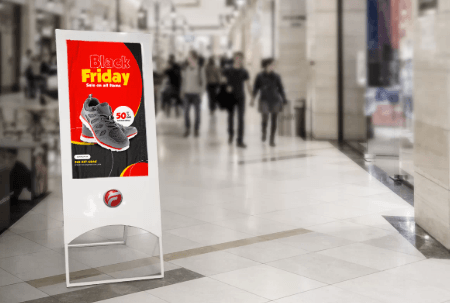

In today’s creative economy, turning digital artwork into physical merchandise is one of the fastest-growing opportunities for artists, brands, and merch businesses. Among all modern display products, the custom acrylic standee stands out as one of the most effective ways to bring designs to life. It transforms flat digital illustrations into vibrant, collectible displays that feel premium and visually engaging.
An acrylic standee is more than just a printed object—it is the result of a carefully structured production process that combines design, printing technology, and precision cutting.
Why Acrylic Standees Are So Popular
Before understanding the process, it’s important to know why acrylic standees have become so widely used in merchandising and branding.
They are popular because they:
- Turn digital artwork into physical collectibles
- Offer a glossy, premium visual finish
- Are lightweight yet highly durable
- Work for both personal and commercial use
From anime fans to business owners, everyone values their ability to make artwork feel more tangible and display-worthy.
Step 1: Creating the Digital Artwork
Everything starts with digital design. Artists or designers create illustrations specifically intended for physical production.
A strong design usually includes:
- High resolution (300 DPI or higher)
- Clean outlines and sharp details
- Transparent background (PNG format)
- Balanced composition for vertical display
At this stage, designers must also think about how the artwork will physically stand, especially if it will be cut into custom shapes.
Step 2: Preparing the File for Production
Once the artwork is finalized, it must be prepared for printing and cutting. This step ensures accuracy in the final product.
Preparation includes:
- Converting colors to CMYK for print accuracy
- Adding bleed areas for safe cutting margins
- Defining cut lines for die-cut shapes
- Separating layers for multi-piece designs
Proper file preparation ensures the final acrylic standee matches the original design without distortion or loss of detail.
Step 3: UV Printing on Acrylic Sheets
The next step is printing the artwork onto acrylic sheets using UV printing technology. This method is widely used because it delivers sharp, durable, and vibrant results.
UV printing works by:
- Printing ink directly onto acrylic surfaces
- Curing ink instantly using ultraviolet light
- Locking in color and detail for long-lasting quality
This process allows even complex illustrations to appear crisp and professional on transparent or colored acrylic.
Step 4: Cutting the Acrylic into Shape
After printing, the acrylic sheet is cut into its final shape. This step is crucial because it defines the overall look and feel of the standee.
Common cutting styles include:
- Character silhouette cutouts
- Logo-shaped designs
- Rectangular or square displays
- Custom die-cut artistic shapes
Laser cutting machines are used to ensure precision and smooth edges, giving the standee a polished finish.
Step 5: Adding the Base Stand
Every acrylic standee requires a base to stand upright. The base is typically made from acrylic as well, ensuring consistency in design and durability.
Base options include:
- Transparent minimal bases
- Printed branded bases
- Colored themed bases
- Custom-shaped decorative bases
The base not only supports the structure but also enhances the overall visual presentation.
See also: Why Global Businesses Prefer App Developers India for Digital Transformation
Step 6: Layering for Depth and Dimension
One of the most advanced techniques in acrylic standee production is layering. Instead of using a single flat print, multiple acrylic layers are combined to create depth.
For example:
- Front layer: main character or subject
- Middle layer: effects or secondary elements
- Background layer: scenery or environment
This creates a 3D visual effect that makes the standee more dynamic and collectible.
Step 7: Quality Inspection and Finishing
Before packaging, each standee goes through a quality control process to ensure it meets production standards.
Checks include:
- Color accuracy and vibrancy
- Clean and precise cutting edges
- No scratches or printing defects
- Proper alignment of layers
A protective film is usually applied during production and removed before final use to preserve surface quality.
Step 8: Packaging and Delivery
Once approved, the standees are carefully packaged for safe delivery. Since acrylic is durable but can scratch if mishandled, protective wrapping is essential.
Packaging typically includes:
- Protective film layers
- Bubble wrap or foam padding
- Secure outer packaging
This ensures that the final product arrives in perfect condition, ready for display or sale.
Why This Process Matters for Creators and Businesses
Understanding the journey from digital design to physical product helps creators and businesses make better decisions when producing merchandise.
It allows them to:
- Improve design quality for print
- Avoid production errors
- Choose better materials and finishes
- Create more professional products
A well-produced acrylic standee not only looks better but also sells better in both online and offline markets.
Final Thoughts
The transformation from digital artwork to a finished acrylic standee is a detailed process that blends creativity with technology. Every stage—from design preparation to printing, cutting, and assembly—plays a vital role in the final result.
An acrylic standee is more than just a display item; it is a physical representation of digital creativity brought to life. Whether used for merchandising, branding, or personal collections, it remains one of the most effective ways to turn imagination into a tangible, visually stunning product.