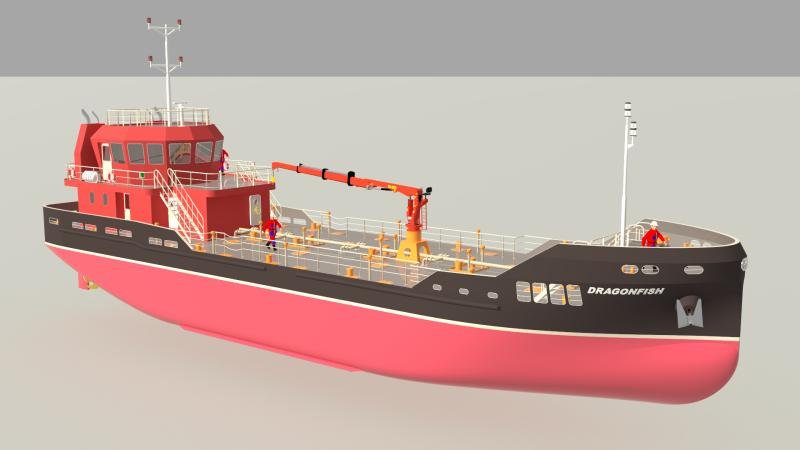

Modern ship design is one of the most advanced and multidisciplinary fields in the maritime industry. From cargo vessels and cruise liners to naval ships and offshore support vessels, every ship begins with a carefully planned design process that balances performance, safety, fuel efficiency, environmental compliance, and operational requirements. As global trade continues to expand and sustainability becomes a major focus, the importance of innovative ship design has grown significantly.
Today, engineers and naval architects use advanced technologies such as computer-aided design (CAD), simulation software, artificial intelligence, and digital twins to create vessels that are safer, faster, and more efficient than ever before. Whether the goal is transporting cargo across oceans or supporting offshore energy operations, successful ship design ensures that vessels can operate effectively in demanding marine environments.
This article explores the fundamentals of modern ship design, including its key principles, stages, technologies, and future trends shaping the maritime industry.
Understanding the Basics of Ship Design
At its core, ship design is the process of planning and creating a vessel that fulfills specific operational requirements while maintaining safety, stability, and efficiency. A ship must perform reliably under varying sea conditions, carry its intended cargo or passengers, and comply with international maritime regulations.
The process of ship design starts with identifying the vessel’s purpose. Different ships require different design characteristics. For example, container ships prioritize cargo capacity and fuel efficiency, while naval ships emphasize speed, maneuverability, and defense systems. Passenger vessels focus heavily on comfort, safety, and onboard amenities.
Modern ship design combines several engineering disciplines, including structural engineering, hydrodynamics, mechanical systems, electrical systems, and environmental engineering. Naval architects must carefully integrate these components to create a balanced and functional vessel.
One of the most critical aspects of ship design is hull design. The hull determines how efficiently a ship moves through water, directly impacting fuel consumption and performance. Engineers analyze resistance, wave patterns, and propulsion efficiency to optimize hull geometry. Computational Fluid Dynamics (CFD) software is commonly used to simulate water flow around the hull and identify areas for improvement.
Another essential factor in ship design is stability. Ships must remain stable in rough seas, during cargo loading, and under changing weather conditions. Designers calculate the center of gravity, buoyancy, and weight distribution to ensure safe operations. Poor stability can lead to dangerous situations such as capsizing or excessive rolling.
Safety regulations also play a major role in modern ship design. Organizations such as the International Maritime Organization (IMO) establish standards related to fire protection, structural integrity, life-saving equipment, and pollution prevention. Designers must ensure that ships comply with these international standards before construction begins.
Environmental concerns have also transformed the ship design industry. Shipbuilders now focus on reducing greenhouse gas emissions, improving fuel efficiency, and integrating cleaner propulsion systems. LNG-powered engines, hybrid propulsion systems, and wind-assisted technologies are increasingly incorporated into modern vessel designs.
In addition, digitalization has revolutionized ship design processes. Engineers can now create highly accurate 3D models, perform virtual testing, and predict vessel performance before physical construction starts. This reduces design errors, lowers costs, and shortens development timelines.
Ultimately, successful ship design requires balancing technical performance, operational efficiency, safety, and environmental responsibility. Every decision made during the design phase directly influences the vessel’s lifespan and operational success.
Key Components of Modern Ship Design
Modern ship design involves multiple interconnected systems that must work together seamlessly. Each component plays a crucial role in ensuring vessel functionality, reliability, and safety at sea.
Hull Structure and Hydrodynamics
The hull is the backbone of any ship design. It determines buoyancy, stability, and hydrodynamic efficiency. Designers aim to create hull shapes that minimize water resistance while maximizing cargo capacity and operational performance.
Hydrodynamic optimization is essential because fuel costs represent a significant portion of shipping expenses. A well-designed hull reduces drag, allowing the vessel to consume less fuel and produce fewer emissions. Modern simulation tools help naval architects test different hull configurations under various operating conditions.
Propulsion Systems
Propulsion systems are another major aspect of ship design. Traditional diesel engines remain common, but the industry is rapidly adopting alternative propulsion technologies due to environmental regulations.
Modern ships may use LNG engines, electric propulsion systems, hybrid technologies, or even hydrogen fuel cells. Propeller design also plays a major role in efficiency. Engineers optimize propeller size, blade shape, and rotational speed to improve performance and reduce cavitation.
Energy-saving devices such as air lubrication systems and waste heat recovery systems are increasingly integrated into ship design to further enhance fuel efficiency.
Stability and Safety Systems
Safety remains one of the highest priorities in ship design. Naval architects perform extensive stability calculations to ensure vessels remain secure under various loading and weather conditions.
Modern ships include advanced ballast systems, watertight compartments, fire suppression systems, and emergency evacuation systems. Designers also consider collision resistance and structural reinforcement to improve survivability during accidents.
International regulations require ships to meet strict safety standards before entering service. Compliance with SOLAS (Safety of Life at Sea) regulations is essential in modern ship design.
Cargo and Operational Efficiency
Different vessel types require specialized cargo handling systems. Container ships need efficient stacking arrangements and loading mechanisms, while tanker ships require advanced pumping systems and cargo segregation features.
Operational efficiency is also central to modern ship design. Automated systems, smart navigation technologies, and integrated bridge systems help reduce crew workload and improve operational reliability.
Many vessels now include digital monitoring systems that provide real-time performance data, allowing operators to optimize fuel usage and maintenance schedules.
The Ship Design Process
The modern ship design process follows several stages, each critical to the successful development of a vessel. Designers, engineers, shipowners, and regulatory authorities collaborate throughout the project to ensure all technical and commercial objectives are met.
Concept Design
The first phase of ship design is concept development. During this stage, designers determine the vessel’s primary purpose, dimensions, cargo capacity, speed requirements, and operational routes.
Feasibility studies are conducted to assess technical and economic viability. Naval architects prepare preliminary sketches, basic layouts, and performance estimates to guide further development.
Preliminary Design
In the preliminary design phase, engineers refine the vessel’s specifications and begin detailed calculations. Hull geometry, propulsion systems, stability analysis, and structural arrangements are developed in greater detail.
Computer simulations are widely used to evaluate vessel performance before construction begins. CFD analysis, structural stress testing, and motion simulations help identify potential design issues early in the process.
Detailed Design
Detailed ship design involves creating complete technical drawings, equipment specifications, piping layouts, electrical systems, and construction plans. This stage requires extensive coordination among multiple engineering disciplines.
Modern CAD software enables engineers to create highly accurate 3D ship models that improve communication and reduce construction errors. Shipyards rely heavily on these digital models during manufacturing and assembly.
Construction and Testing
Once the design is finalized, ship construction begins. Shipyards fabricate hull sections, install machinery, and integrate onboard systems according to the approved design specifications.
After construction, ships undergo extensive testing, including sea trials. Engineers evaluate speed, maneuverability, propulsion performance, safety systems, and fuel efficiency to ensure the vessel meets all operational requirements.
Only after successful testing and regulatory approval can the vessel enter commercial service.
Read Also: Balancing Technology and Human Life
Technology and Innovation in Modern Ship Design
Technology continues to transform modern ship design at an unprecedented pace. Digitalization, automation, and sustainability initiatives are driving major innovations across the maritime industry.
Artificial intelligence is increasingly used in ship design optimization. AI-powered software can analyze massive amounts of performance data and recommend more efficient hull forms, propulsion systems, and operational strategies.
Digital twins are another groundbreaking innovation. A digital twin is a virtual replica of a ship that continuously receives operational data from sensors onboard the vessel. This technology allows operators to monitor performance, predict maintenance needs, and optimize fuel consumption in real time.
Automation is also reshaping ship design. Autonomous navigation systems, smart sensors, and advanced monitoring technologies are reducing human error and improving operational safety.
Environmental sustainability remains a key focus. Ship designers are exploring wind-assisted propulsion, solar energy integration, battery-powered vessels, and low-emission fuels to reduce the maritime sector’s environmental impact.
The push toward decarbonization is influencing every aspect of ship design, from lightweight materials to energy-efficient propulsion systems. As international regulations become stricter, sustainable innovation will continue to define the future of the maritime industry.
FAQs About Ship Design
What is ship design?
Ship design is the process of planning and engineering a vessel to meet operational, safety, and performance requirements. It involves hull design, propulsion systems, structural engineering, and compliance with maritime regulations.
Why is ship design important?
Ship design is important because it directly affects a vessel’s safety, fuel efficiency, cargo capacity, environmental impact, and operational performance.
What software is used in modern ship design?
Modern ship design commonly uses CAD software, Computational Fluid Dynamics (CFD) tools, 3D modeling programs, and simulation platforms for structural and hydrodynamic analysis.
How does ship design improve fuel efficiency?
Efficient hull shapes, advanced propulsion systems, lightweight materials, and energy-saving technologies help reduce fuel consumption in modern ship design.
What are the main challenges in ship design?
Key challenges include meeting environmental regulations, reducing emissions, improving fuel efficiency, maintaining safety standards, and integrating new technologies.
Conclusion
Modern ship design is a highly sophisticated field that combines engineering, technology, safety, and sustainability. As maritime industries evolve, ship designers must create vessels that are not only efficient and reliable but also environmentally responsible.
From hull optimization and propulsion systems to digital twins and AI-driven simulations, innovation continues to redefine how ships are designed and operated. The growing emphasis on fuel efficiency and emission reduction is pushing the industry toward cleaner and smarter solutions.
Understanding the fundamentals of ship design provides valuable insight into the complexity behind every modern vessel. Whether for global shipping, offshore operations, or passenger transport, advanced ship design remains essential for the future of maritime transportation.