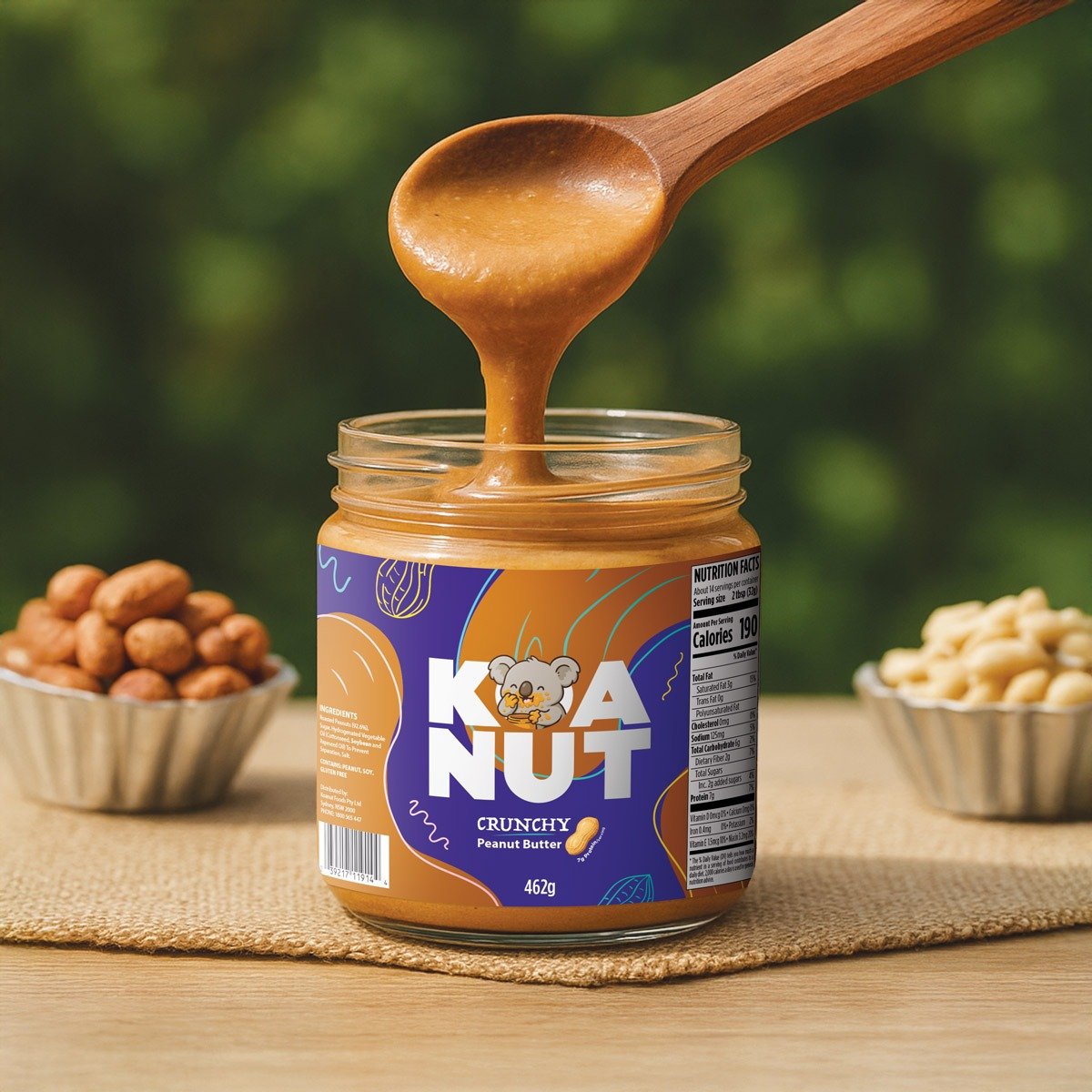

Packing day starts calm and then it is not. Jars on one bench, takeaway boxes stacked somewhere else, and a sheet of food labels that someone has already peeled three off at odd angles. The mess is rarely the fault of the product. It is the admin around it, and usually the format those labels arrived in.
Roll format changes the rhythm of the whole afternoon. Food labels supplied on a roll come off one at a time, in order, facing the right way, which sounds like a small thing until you have done four hundred jars by hand. Nothing gets peeled off a sheet at the wrong angle. Nothing ends up as wasted offcuts in a pile.
The Quiet Chaos of Packing Day Nobody Puts in the Business Plan
Jars, Bottles, Boxes and One Very Long Afternoon: Food businesses rarely label one thing at a time, which is where the day falls over. A batch of jars needs one size, bottles need something taller and narrower, and the takeaway boxes want a third. Sorting through loose sheets for each of those eats an hour before a single lid goes on.
What Putting It Off Actually Costs You: Leaving the labelling setup until the week before a big order narrows your options fast. In everyday production work, label printers routinely see small food brands ordering in a rush, taking whatever size is quickest, then living with a slightly wrong fit for months. Short runs get expensive when they are reactive.
See also: Balancing Technology and Human Life
Rolls Earn Their Keep the Moment the Bench Gets Busy
Hand Application Without the Faff: Applying by hand from a roll is faster because the next label is always exactly where your fingers expect it. Food labels on rolls keep their order and their facing, so you are not flipping a sheet around to find the right one. You peel, place and move on, and the rhythm holds even when the batch doubles.
Machines That Will Not Argue with Your Stock: Labelling machines need labels wound on a core with consistent spacing, which is exactly what roll supply gives them. Get the core size and wind direction right and an applicator runs without stopping. Plenty of small producers borrow ideas from lean manufacturing here, cutting out the fiddly steps that slow a line down.
Sizing Sounds Boring Until It Ruins a Batch
Dimensions Measured Off the Real Container: Label size should come from the actual jar on your bench, not the one in a supplier photo. Measure the flat area, leave a sensible margin either side of the curve, and write it down somewhere you will find it again. Guessing by eye costs more than the measuring tape ever did.
Order Volumes That Refuse to Sit Still: Production volumes move around, and your labelling setup has to cope with both quiet weeks and sudden spikes. A bit of rough demand forecasting helps here, since knowing roughly how many units go out each month shapes how much you order and how you apply it. Guessing high wastes money, and guessing low stops the line.
Sheets or Rolls, and the Honest Trade-Off
Where Sheets Still Make Sense: Sheets work fine for very small volumes and for anyone labelling a handful of products at a time. Food labels on sheets suit market stall batches, tasting samples and one-off runs where speed is not the point. Storage is easy too, since a sheet slides into a folder without unrolling itself across the bench.
Where Rolls Pull Ahead by a Mile: Rolls win as soon as volume climbs past a couple of hundred units a run. The spacing stays consistent, waste drops, and nothing gets bent in a drawer before it goes on a jar. The trade-off is real though, since rolls need a bit more thought upfront about core size and wind direction.
Labels That Still Look Decent in Week Six
Material Choice for Fridges and Wet Hands: Material decides whether a label survives the conditions your product actually lives in. Chilled jars and sauce bottles collect condensation, so synthetic stock with a laminate holds up better than plain paper there. Dry goods on a shelf are far more forgiving, and laminated paper does the job without pushing the cost up.
One Look Across Everything You Sell: Consistency across a range does more for recognition than any single clever design. Same font, same colour block, same label proportions scaled to each container, and a shelf of your products starts reading as one brand. Shoppers notice the odd one out faster than they notice the good ones, which is mildly unfair.
Sort These Out Before the Next Run Goes to Print
The Ten Minute Check That Saves a Reprint: Most reprints trace back to something small that nobody checked. Getting food labels right on the first order comes down to a handful of decisions made before artwork gets approved. Worth ten minutes now rather than a frustrating evening later with a box of labels that do not quite fit.
- Measure the real container instead of trusting a supplier spec sheet.
- Decide early whether application happens by hand or by machine, because the roll spec shifts.
- Match the material to storage conditions, especially for chilled or oily products.
- Leave a margin around text so slight drift during application does not clip a word.
- Check a proof against the actual packaging before committing to a full run.
Packing Day Can Actually Run on Time for Once
Rolls will not fix a chaotic kitchen on their own, though they take one reliable headache off the list. Leave the decision until the week of a big order and the options get thinner and pricier. Measure your containers, upload the artwork, and get a proof checked before the next batch starts.