
Months of discovery leave a lawsuit with boxes of paper, hours of video, and recordings that someone has to make sense of before trial. NAEGELI Deposition & Trial provides litigation support in Medford aimed at turning that material into something a legal team can use, from transcription and document management to courtroom presentation.
The company has worked in the legal field since 1980. It handles confidential client data with current transcription, videoconferencing, cybersecurity, and document management technology, a point that carries weight as more evidence arrives in digital form.
Medford’s Economy and the Legal Work It Generates
The Rogue Valley has long been known for its pear orchards, and vineyards and wineries now share much of the farmland. Medford also serves as the region’s medical hub, with two large hospitals, and as a gateway for visitors headed to Crater Lake National Park or the theater scene in nearby Ashland.
That mix produces a broad caseload. Agricultural contracts, health care matters involving medical records, real estate transactions, and injury claims from the busy Interstate 5 corridor are all part of the picture for Southern Oregon attorneys.
See Also:An Overview of the Logitech Product Ecosystem
Wildfire season is another regional reality. Smoke and fires in late summer can complicate travel through the Siskiyou Mountains and along Interstate 5, which makes in-town document services and conference space more than a convenience when trial dates are approaching.
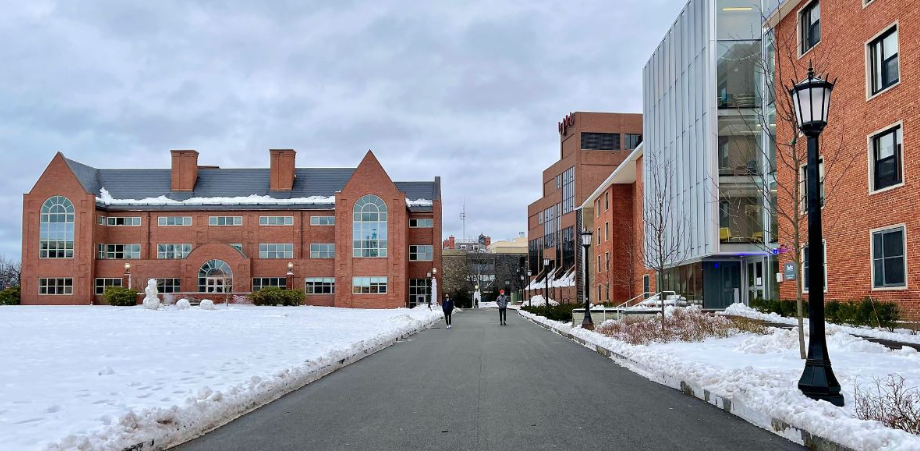
Much of the preparation for those cases happens close to home. NAEGELI’s office at 10 Crater Lake Avenue offers private conference rooms suited to depositions and trial preparation meetings. It sits just down the street from the historic Lady Geneva Bed and Breakfast, an option for out-of-town counsel, and about 10 minutes by car from Rogue Valley International-Medford Airport (MFR). Local firms can arrange services through NAEGELI Deposition & Trial in Medford.
How Does Litigation Support in Medford Organize the Record?
Organizing the record starts with accurate transcripts. NAEGELI transcribes depositions, trials, hearings, arbitrations, video recordings, and 911 calls into verbatim records suitable for submitting evidence to the court. Every transcript includes a full Word-Index and is delivered through a secure repository that protects attorney and client privacy.
Quality control sits behind every one of those transcripts. Each one is reviewed and verified before delivery, and long transcripts can be condensed into summaries that identify key testimony for faster review.
Paper files get similar treatment. The firm’s copying and scanning services digitize documents and categorize them according to each firm’s preferences. For trial, binder production creates tabbed, indexed sets of paper exhibits with Bates stamping, so a specific document can be found in seconds rather than minutes.
Attorneys who use those services point to the value of digital access. Peter C. Richter of Miller Nash LLP said, “The availability of NAEGELI’s quality products in digital formats is fundamental for modern trial preparation and discovery.”
Video That Points Straight to Key Moments
Some testimony depends on how a witness looks and sounds. NAEGELI’s legal videography captures high-quality audio and video of proceedings, whether in person or remote, preserving body language and other nonverbal cues that a transcript cannot show.
Finding the right moment later is the practical challenge. On request, the firm provides a timecoded transcript synced to the video recording, and keyword search with exportable clips makes it easier to pull a specific answer for review or for use at trial.
That kind of indexing saves time during the final weeks before trial, when attorneys are choosing which excerpts to show a jury and which to leave out.
What Happens When the Case Reaches the Courtroom?
Trial presentation brings the prepared material in front of the jury. NAEGELI’s specialists compile evidence into multimedia displays that combine video, animation, graphics, and other visual aids, then stay in the courtroom to assist throughout the presentation.
Visual aids also help with subjects jurors may not know well. A timeline of an orchard supply contract, an animation of a highway collision, or a graphic explaining a medical procedure can make technical evidence easier to follow than testimony alone.
Having a specialist on hand addresses a common worry. If a clip will not load or an exhibit goes missing from the queue, the person who built the presentation is there to fix it, leaving the attorney free to keep talking to the jury.
For Medford attorneys, that support covers the full stretch from the first transcript to the last exhibit shown at trial, all coordinated through an office in the Rogue Valley.