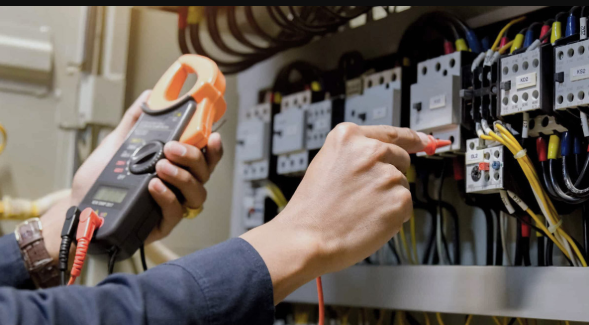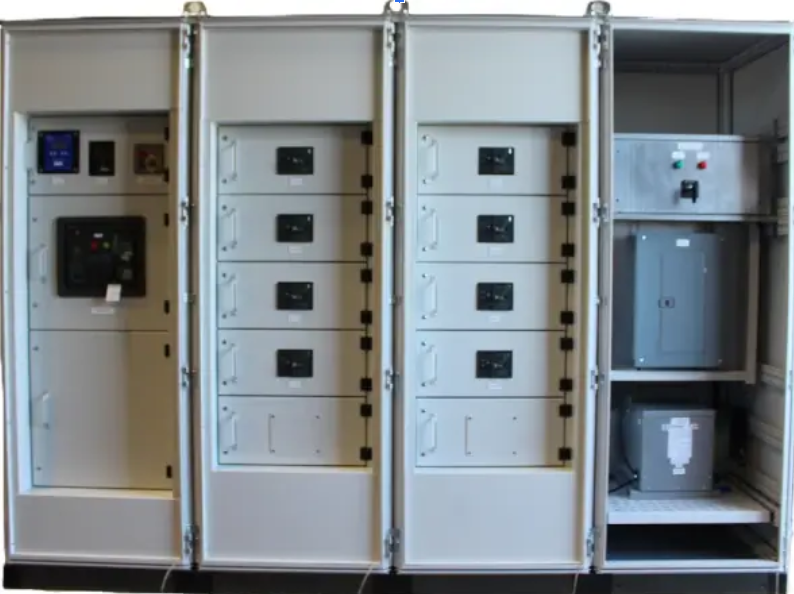

A low voltage switchboard plays a critical role in distributing electrical power safely and efficiently within commercial, industrial, and residential facilities. As electrical systems become more complex and energy demands continue to rise, safety has become a primary focus in modern switchboard design.
Today’s low voltage switchboards are built with advanced protective features that help prevent electrical faults, protect personnel, and ensure system reliability.
This article explores the essential safety features to look for in modern low voltage switchboards, explaining how each feature contributes to safer operations and long term performance.
Understanding the Role of Safety in Low Voltage Switchboards
Low voltage switchboards manage power distribution typically up to 1000 volts AC or 1500 volts DC. Any failure within these systems can lead to serious risks such as electric shock, arc flash incidents, equipment damage, or extended downtime.
Modern safety features are designed to address:
- Electrical fault protection
- Fire and thermal risks
- Operator safety
- System monitoring and fault isolation
- Compliance with standards and regulations
Selecting a switchboard with robust safety features helps create a safer electrical environment and supports consistent power delivery.
Arc Fault and Arc Flash Protection
Arc faults are one of the most dangerous hazards in electrical systems. An arc flash can release intense heat, pressure, and light within milliseconds.
Key safety features related to arc protection include:
- Arc resistant enclosures that contain and redirect arc energy away from operators
- Internal barriers to isolate compartments and limit arc propagation
- Pressure relief vents that safely release gases generated during an arc fault
- High speed fault detection systems that reduce arc duration
These features significantly lower the risk of injury and minimize damage to surrounding equipment.
Short Circuit and Overcurrent Protection
Short circuits and overcurrent conditions can cause severe damage if not managed properly. Modern low voltage switchboards integrate advanced protective devices to respond instantly to abnormal current flow.
Important protective elements include:
- Circuit breakers with adjustable trip settings
- Current limiting devices that restrict fault energy
- Fuses designed for rapid fault interruption
- Selective coordination to ensure only the affected circuit is isolated
Effective short circuit protection prevents cascading failures and maintains system stability.
Ground Fault Protection
Ground faults occur when current unintentionally flows to the ground, creating potential shock and fire hazards. Modern switchboards are equipped with sensitive detection systems to identify these faults early.
Safety features supporting ground fault protection include:
- Ground fault relays with precise current sensing
- Alarm systems that alert operators before a fault escalates
- Automatic disconnection of faulty circuits
- Integration with monitoring systems for fault analysis
Early detection helps reduce damage and enhances personnel safety.
Thermal Monitoring and Temperature Control
Excessive heat is a common cause of electrical failures. Modern low voltage switchboards incorporate thermal management features to prevent overheating.
Thermal safety features often include:
- Temperature sensors on busbars and critical components
- Infrared monitoring compatibility
- Automatic alarms for abnormal temperature rise
- Ventilation systems designed for controlled airflow
Maintaining safe operating temperatures extends equipment life and reduces fire risk.
Insulation and Dielectric Strength
Proper insulation is essential to prevent accidental contact and electrical leakage. Advances in insulation materials have improved safety and durability.
Key insulation related safety features include:
- High quality insulating materials with strong dielectric properties
- Insulated busbars and conductors
- Finger safe component design to prevent accidental contact
- Clearances and creepage distances that meet safety standards
Strong insulation reduces the likelihood of electrical shock and system faults.
Compartmentalization and Segregation
Modern low voltage switchboards are designed with internal compartmentalization to isolate different functional areas.
Typical compartment divisions include:
- Incoming power section
- Busbar compartment
- Outgoing feeder section
- Control and instrumentation compartment
This segregation:
- Limits fault spread
- Allows safer maintenance
- Reduces exposure to live parts
- Improves overall system reliability
Compartmentalization is especially important in high load and industrial environments.
See also: How to Choose an Architecture Research Topic
Lockout and Interlocking Systems
Human error is a common factor in electrical accidents. Lockout and interlocking mechanisms help prevent unsafe operations.
Common safety features in this category include:
- Mechanical interlocks that prevent opening doors when circuits are live
- Electrical interlocks that restrict switching sequences
- Lockout provisions for maintenance work
- Key based access control systems
These features ensure that maintenance and operation tasks are performed safely and in the correct order.
Clear Labeling and Safety Signage
Clear identification of components and circuits plays an important role in preventing accidents.
Modern switchboards include:
- Durable labels for circuits and feeders
- Warning signs indicating live parts and voltage levels
- Color coding for phases and grounding
- Updated single line diagrams displayed on panels
Proper labeling reduces confusion and supports safer troubleshooting and maintenance.
Fire Resistant Construction Materials
Fire safety is a major consideration in switchboard design. Modern low voltage switchboards from Meta Power Solutions use materials that limit fire spread and withstand high temperatures.
Fire safety features include:
- Flame retardant insulation materials
- Fire resistant enclosure coatings
- Low smoke and halogen free components
- Compliance with fire safety standards
These materials help contain fire risks and protect nearby equipment and structures.
Compliance with International Safety Standards
Safety features are most effective when they are aligned with recognized standards. Modern switchboards are designed to meet or exceed global safety requirements.
Common standards include:
- IEC standards for low voltage switchgear and controlgear
- ISO quality and safety guidelines
- Local electrical codes and regulations
- Testing certifications for fault withstand capability
Compliance ensures consistent safety performance and reliability across installations.
Advanced Monitoring and Diagnostic Systems
Digital technology has enhanced safety by enabling continuous monitoring and diagnostics.
Modern monitoring features include:
- Real time current and voltage measurement
- Fault event logging
- Predictive maintenance indicators
- Remote monitoring integration
These systems allow operators to identify potential issues early and take corrective action before failures occur.
Safe Maintenance and Accessibility Design
Maintenance activities carry inherent risks, which modern switchboards aim to reduce through thoughtful design.
Maintenance friendly safety features include:
- Front access designs to reduce rear exposure
- Withdrawable circuit breakers for safer servicing
- Tool free access panels where appropriate
- Clear maintenance instructions and safety markings
Safer maintenance practices reduce downtime and improve overall workplace safety.
Environmental Protection and Ingress Ratings
External environmental factors can compromise safety if not properly managed. Modern switchboards are built with protective enclosures to suit different environments.
Important enclosure safety features include:
- IP rated enclosures to protect against dust and moisture
- Corrosion resistant materials for harsh environments
- Sealed compartments to prevent contamination
- Compliance with indoor and outdoor installation requirements
Environmental protection ensures long term safety and performance.
Emergency Shutdown and Isolation Features
In critical situations, the ability to quickly isolate power is essential.
Emergency safety features often include:
- Easily accessible emergency shutdown switches
- Clearly marked isolation points
- Automatic disconnection during severe faults
- Integration with building safety systems
These features allow rapid response during emergencies and help protect both people and equipment.
Importance of Proper Installation and Testing
Even the most advanced safety features rely on correct installation and commissioning.
Best practices include:
- Proper torqueing of connections
- Verification of protective device settings
- Functional testing of safety systems
- Routine inspection and maintenance schedules
Correct installation ensures that built in safety features perform as intended.
Conclusion
Modern low voltage switchboards are designed with a wide range of safety features that go far beyond basic power distribution. From arc flash protection and thermal monitoring to advanced diagnostics and fire resistant construction, these features work together to create a safer electrical system.
Understanding and evaluating these safety elements is essential when selecting a switchboard for any application. A well designed low voltage switchboard not only protects equipment and ensures reliable power distribution but also plays a vital role in safeguarding personnel and maintaining long term operational stability.