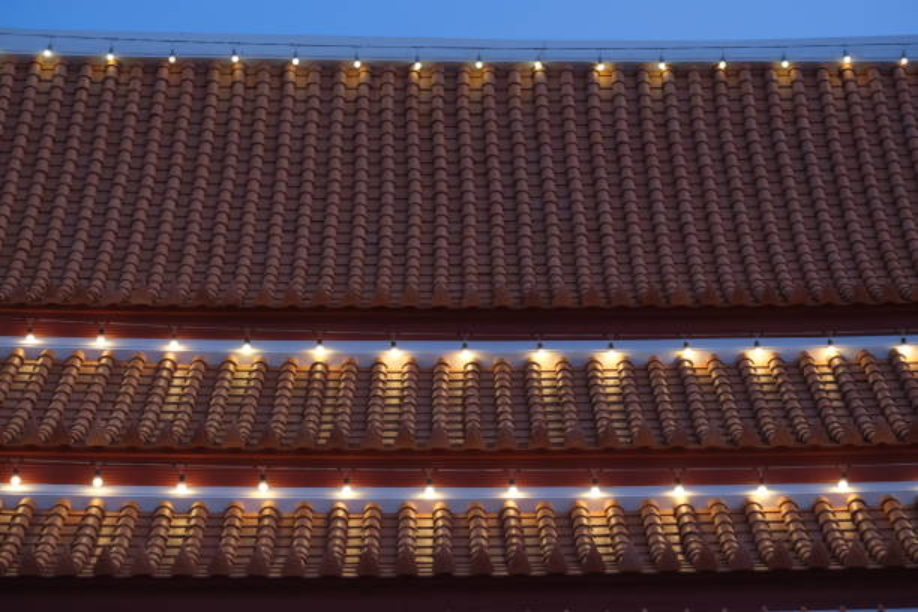

Pitched rooflights are one of the most effective and popular ways to introduce natural daylight into buildings with sloping roofs. Commonly used in loft conversions, attic spaces, extensions, and traditional homes, pitched rooflights combine practicality, energy efficiency, and timeless design. They are specifically engineered to integrate seamlessly into pitched roofs, providing abundant daylight without compromising weather resistance or thermal performance.
This in-depth guide covers everything you need to know about pitched rooflights, including their benefits, types, materials, glazing options, applications, installation considerations, and long-term value.
What Are Pitched Rooflights?
Pitched rooflights are glazed roof windows designed for installation on sloping or pitched roofs. Unlike flat rooflights, which are used on flat or low-pitch roofs, pitched rooflights are angled to match the roof slope, allowing rainwater to drain naturally and efficiently.
They are typically installed between roof rafters and are available in fixed or opening designs. Pitched rooflights are widely used in residential and commercial buildings to transform dark roof spaces into bright, functional interiors.
Why Choose Pitched Rooflights?
Pitched rooflights are a practical and visually appealing daylighting solution, particularly for buildings with traditional or sloped roof structures.
Maximum Natural Light in Roof Spaces
Because pitched rooflights are installed directly into the slope of the roof, they allow daylight to enter from above, illuminating spaces that standard vertical windows cannot reach. This is especially beneficial in lofts, attics, and upper-floor rooms.
Seamless Integration with Roof Design
Pitched rooflights are designed to blend naturally with tiled or slate roofs. Their low-profile frames and flashing systems ensure a neat, integrated appearance that complements both modern and traditional architecture.
Improved Ventilation Options
Many pitched rooflights are available as opening units, allowing fresh air to circulate through upper levels of a building and helping regulate temperature and humidity.
Benefits of Pitched Rooflights
Installing pitched rooflights offers a wide range of functional and aesthetic advantages.
Enhanced Daylight and Comfort
Natural daylight improves visibility, reduces eye strain, and creates more pleasant living and working environments. Pitched rooflights help distribute light evenly throughout roof-level spaces.
Energy Efficiency
By reducing the need for artificial lighting during the day and using high-performance glazing, pitched rooflights contribute to lower energy consumption and reduced utility bills.
Increased Property Value
Well-designed pitched rooflights enhance the usability and appeal of loft spaces, increasing overall property value and market attractiveness.
Flexible Design Options
From classic timber finishes to sleek aluminum frames, pitched rooflights are available in a variety of styles to suit different architectural preferences.
Types of Pitched Rooflights
Pitched rooflights are available in several configurations, depending on functionality and performance requirements.
Fixed Pitched Rooflights
Fixed pitched rooflights are non-opening units designed solely to bring natural light into a space.
Advantages of Fixed Pitched Rooflights
- Larger uninterrupted glass area
- Lower cost compared to opening units
- Minimal maintenance
- Excellent thermal performance
They are ideal for stairwells, hallways, and areas where ventilation is not required.
Opening Pitched Rooflights
Opening pitched rooflights provide both daylight and ventilation. They can be operated manually or electrically.
Benefits of Opening Rooflights
- Improved airflow
- Reduced condensation
- Better indoor air quality
These rooflights are commonly used in bedrooms, bathrooms, kitchens, and loft conversions.
Top-Hung Pitched Rooflights
Top-hung rooflights open outward from the top, creating an unobstructed opening.
Why Choose Top-Hung Rooflights
- Panoramic outward views
- Easy access to fresh air
- Ideal for loft bedrooms and living spaces
See also: Balancing Technology and Human Life
Center-Pivot Pitched Rooflights
Center-pivot rooflights rotate around a central axis.
Key Features of Center-Pivot Rooflights
- Easy operation
- Simple cleaning from inside
- Cost-effective and practical design
They are one of the most popular choices for residential pitched roof installations.
Glazing Options for Pitched Rooflights
Glazing plays a critical role in insulation, comfort, and safety.
Double-Glazed Pitched Rooflights
Double glazing offers a good balance of insulation and affordability, making it suitable for most residential applications.
Triple-Glazed Pitched Rooflights
Triple glazing provides superior thermal and acoustic insulation, ideal for energy-efficient homes and noise-sensitive locations.
Low-E Glass
Low-emissivity coatings reflect heat back into the building while allowing natural light to pass through, improving energy efficiency year-round.
Tinted and Solar Control Glass
Tinted or solar control glazing reduces glare and limits overheating, particularly in south-facing roof installations.
Frame Materials Used in Pitched Rooflights
The frame material affects durability, insulation, and appearance.
Timber Frames
Timber frames provide a warm, traditional look and excellent insulation. They are often finished with protective coatings for durability.
Aluminum Frames
Aluminum frames are strong, lightweight, and low maintenance. They are ideal for modern designs and exposed environments.
uPVC Frames
uPVC frames are cost-effective, weather-resistant, and require minimal maintenance, making them popular for residential projects.
Energy Efficiency and Thermal Performance
Modern pitched rooflights are designed to meet strict energy performance standards.
Reducing Heat Loss
Advanced glazing and insulated frames help retain heat in winter, improving comfort and reducing heating costs.
Managing Solar Gain
Solar control glass helps prevent excessive heat buildup during warmer months, maintaining a comfortable indoor climate.
When choosing pitched rooflights, checking U-values and energy ratings ensures compliance with building regulations.
Applications of Pitched Rooflights
Pitched rooflights are suitable for a wide range of spaces.
Loft Conversions
Pitched rooflights are essential in loft conversions, turning previously dark roof spaces into bright, livable rooms.
Bedrooms and Living Areas
Rooflights in pitched roofs bring daylight and ventilation into upper-floor bedrooms and living spaces without compromising privacy.
Kitchens and Bathrooms
Opening pitched rooflights help remove moisture, odors, and heat while providing abundant natural light.
Commercial and Educational Buildings
In offices, schools, and public buildings, pitched rooflights enhance daylighting, reduce energy use, and improve occupant well-being.
Installation Considerations for Pitched Rooflights
Correct installation is vital for long-term performance.
Roof Pitch Compatibility
Each pitched rooflight is designed for a specific range of roof pitches. Selecting the correct product ensures proper drainage and weather resistance.
Flashing Systems
Integrated flashing kits provide watertight sealing between the rooflight and roof covering, protecting against leaks.
Professional Installation
Professional installation ensures:
- Correct alignment and sealing
- Structural integrity
- Compliance with building regulations
This minimizes risks and protects warranties.
Maintenance of Pitched Rooflights
Pitched rooflights are designed for durability and ease of maintenance.
Maintenance Tips
- Clean glass periodically
- Inspect seals and flashing annually
- Ensure opening mechanisms operate smoothly
With regular care, pitched rooflights can perform reliably for decades.
Common Mistakes to Avoid When Choosing Pitched Rooflights
- Selecting incorrect roof pitch compatibility
- Ignoring thermal performance ratings
- Choosing unsuitable glazing for room orientation
- Poor installation or inadequate flashing
Careful planning avoids costly issues and ensures optimal performance.
Pitched Rooflights vs Flat Rooflights
While flat rooflights suit modern flat-roof designs, pitched rooflights are better suited to sloping roofs and traditional structures.
Key Advantages of Pitched Rooflights
- Natural water runoff
- Easier integration with tiled roofs
- Ideal for loft and attic spaces
Choosing the right rooflight depends on roof type and architectural goals.
Future Trends in Pitched Rooflights
Smart Rooflight Technology
Electric opening systems, rain sensors, and smart home integration are becoming increasingly common.
Sustainable Materials and Design
Manufacturers are focusing on recyclable materials, improved glazing, and energy-efficient production methods.
Conclusion: Why Pitched Rooflights Are a Smart Investment
Pitched roof lights are a timeless and highly effective solution for bringing natural light and ventilation into sloped roof spaces. Their versatility, energy efficiency, and design flexibility make them ideal for residential, commercial, and educational buildings. Whether you are planning a loft conversion, renovation, or new build, pitched rooflights can dramatically enhance comfort, functionality, and visual appeal.
With a wide range of styles, glazing options, and performance levels available, pitched rooflights offer long-term value and improved living environments. If you need expert guidance or help selecting the right pitched roof light for your project, Contact Us today and let our team support you every step of the way.