
Lebanese homes tell stories through stone arches, patterned cement tiles and long tables made for gathering. Today, the best interior design Lebanon has to offer combines that heritage with clean lines and modern comfort. The result is not nostalgia but a considered conversation between old character and contemporary life, and it rewards careful planning from the very first sketch. Done well, such a home feels both rooted and refreshingly current.
Read the Building Before You Redesign It
Lebanon’s housing stock is wonderfully varied. Beirut apartments carry layers of history, mountain houses wear red-tiled roofs, and coastal flats open toward the Mediterranean. Each type has its own proportions, ceiling heights and quirks that should guide the design rather than fight it. Walking the space slowly, at different times of day, reveals opportunities that plans alone cannot show. Understanding these differences early prevents costly redesigns.
Original features deserve a careful audit. Decorative floor tiles, tall arched windows and thick stone walls often bring more character than anything that can be bought new. Decide what to restore, what to quietly update, and what truly no longer serves the way you live. Keeping a few authentic elements gives a renovation its soul, and the new additions can then stay deliberately simple.
Hospitality Shapes the Floor Plan
Entertaining sits at the heart of Lebanese family life. Generous living and dining areas, flexible seating and kitchens that connect naturally to terraces all support long lunches and unplanned visits. A good layout makes hosting effortless instead of exhausting. Think about how guests move through the home, where coats and bags will go, and how food travels from kitchen to table.
Local knowledge makes a real difference here. A skilled interior designer Lebanon homeowners can rely on understands regional craftsmen, stone suppliers and joinery traditions, while also sourcing contemporary lighting and furniture from abroad. That balance keeps a home rooted in place yet fresh in feeling. It also helps budgets, because trusted trades and realistic schedules reduce the surprises that so often appear mid-project.
Let Light, Stone and Texture Lead
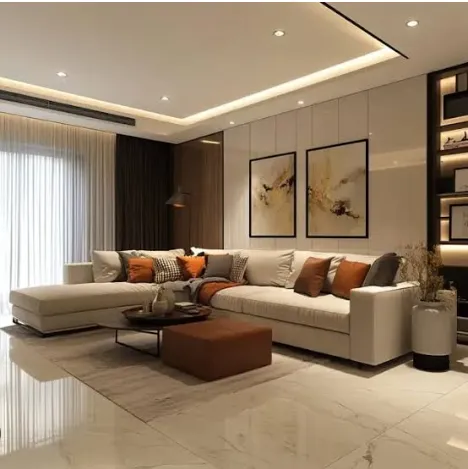
Strong Mediterranean light is a gift. Pale walls, natural linen and softly layered curtains let it move through a room without glare. In the evening, warm lamps at different heights replace harsh overhead fixtures and give stone surfaces a gentle glow. Mirrors placed opposite windows can double the effect without adding a single extra fitting. Sheer fabrics, in particular, soften the sun while keeping views open to the garden or the sea.
Texture adds depth without clutter. Honed limestone, oak, wool rugs and hand-finished plaster create a tactile palette that feels calm and timeless. Keeping colours restrained allows these materials to speak, and lets art, books and family heirlooms stand out. A home layered this way feels collected over time rather than furnished in a single weekend. Even a simple room gains richness when every surface has subtle character.
Plan for Everyday Practicalities
Beautiful homes also need to work quietly in the background. Smart storage, reliable lighting circuits and well-considered ventilation make daily routines smoother. Thinking about these details early avoids awkward compromises once finishes are already in place. Concealed cabinetry, for example, keeps surfaces calm while still holding everything a busy household needs close at hand. Good planning here is invisible, which is exactly how it should feel.
Flexibility is equally valuable. Many families host relatives who live abroad or use a property seasonally, so rooms that shift between guest space, study and lounge are especially useful. Built-in joinery and movable furniture allow one home to adapt through every stage of life. A well-planned layout will still feel right in ten years, even as routines change. Built-in storage also helps smaller apartments feel generous.
See also: Designing an Outdoor Living Space That Actually Feels Like Home
A Home Built to Last
The most satisfying Lebanese interiors respect their surroundings while embracing the present. They avoid passing trends, favour honest materials and put the people who live there first. Patience in the early planning stages is repaid many times over once the furniture arrives and the home begins to feel lived in. Such homes become the setting for family memories rather than a showcase to be admired.
For a closer look at a studio that works across Lebanon, Dubai and Sydney, visit ehninteriors.com and book a complimentary consultation. Sharing your ideas, your photographs and even your doubts in that first conversation gives the design team the clearest possible starting point.