
If I am registered as an organ donor, can I also donate my whole body?
Yes. In many cases, a person can register for both organ donation and whole-body donation. The two systems serve different purposes, and one does not automatically prevent the other.
When both wishes are documented, organ and tissue donation for transplant generally takes priority when medically possible. After that process is completed, United Tissue Network (UTN) can coordinate with the appropriate local organ procurement organization to determine whether whole-body donation can proceed.
What the Florida Donor Registry Actually Covers
The Florida donor registry documents your authorization for organ, tissue, and eye donation. These gifts may be used for transplantation and other authorized purposes. However, registering as an organ donor does not automatically enroll someone in a whole-body donation program or prevent you from doing so.
Whole-body donation does require a separate registration. Through UTN, donors can choose to contribute their bodies to medical research, education, physician and surgeon training, medical device development, and other forms of healthcare advancement.
So, someone who wants to support both transplantation and medical science must register for each independently.
See also: Balancing Technology and Human Life
Organ Donation and Whole-Body Donation Serve Different Purposes
The easiest way to understand the difference is to look at what happens to the donation.
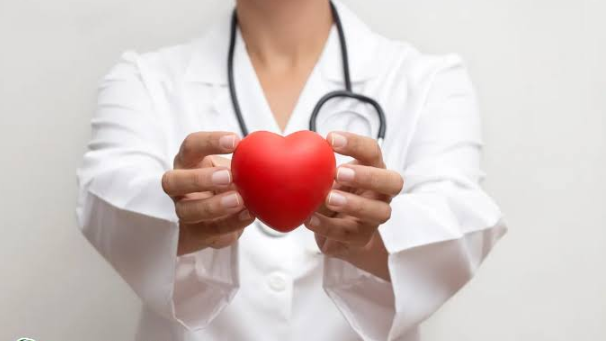
Organ donation focuses on recovering viable organs and tissues that may help transplant recipients. Depending on the circumstances, donated organs might include the heart, kidneys, liver, lungs, pancreas, or intestines, while tissues can include corneas, skin, bone, and other tissue.
Whole-body donation has a different purpose. Instead of being focused primarily on transplantation, the donation may support medical research, surgical training, anatomical education, medical technology development, and other healthcare studies.
What Happens If You Are Registered for Both?
Families sometimes worry that they will be forced to choose between organ donation and whole-body donation after a loved one dies. In many cases, that decision does not have to be either-or.
If organs or tissues are medically suitable for transplant, the local organ procurement organization coordinates that process first. Transplant donation takes priority because viable organs often must be recovered within a limited medical window and can save lives. If the person has also registered for whole-body donation, UTN will work with the organ procurement organization after recovery is completed.
This coordination allows a donor’s wish to help transplant recipients to be honored first while potentially preserving the opportunity to contribute to medical science afterward.
Who Cannot Donate Organs After Death?
Who cannot donate organs after death is not an easy question to answer. Organ suitability is evaluated at or near the time of death. Medical professionals consider the condition of individual organs along with the donor’s medical history and the circumstances surrounding the death.
Factors that may affect whether organs can be transplanted include certain active infections, some cancers, serious disease affecting a particular organ, and the condition of the organs at the time of death. Donors also have to pass away in a place where the organs can be immediately preserved, typically a hospital. In general, fewer than three out of 1,000 donors are eligible at the time of death.
That’s different from body donation. Most adults are eligible except for those with contagious diseases, and as long as bodies are refrigerated within a reasonable amount of time, body donation can take place.
What Families Should Do at the Time of Death
If a person has expressed wishes regarding both organ donation and whole-body donation, make sure healthcare professionals and family members know about both.
- At the time of death:
- Tell healthcare staff about the person’s organ donation wishes.
- Let them know if the person also registered for whole-body donation.
- Contact United Tissue Network.
- Provide any available donor registration information.
- Allow the transplant professionals and UTN to coordinate the next steps.
Both Choices Can Support Medical Advancement
Organ donation and whole-body donation are different, but both can contribute to healthcare.
Organ and tissue donation may directly help people in need of transplantation. Whole-body donation can support the research, education, and professional training that help physicians and other medical professionals improve patient care over time.
United Tissue Network is a nonprofit 501(c)(3), accredited by the American Association of Tissue Banks. For qualifying donors accepted into its whole-body donation program, UTN coordinates transportation and cremation at no cost to the donor or family. Cremated remains are available when requested in advance; otherwise, they are disposed of in an ethical manner.
If you want whole-body donation to be part of your plans in addition to organ donation, register with United Tissue Network.