
Steel gets brittle in the cold, concrete heaves, and a forklift driver in a freezer works about as fast as you would after an hour at minus 25. A freezer punishes every shortcut taken in the racking design. Most industrial racking systems are specified for a dry building at room temperature, and dropping them into a freezer without changes is how owners end up with frost damage, slow throughput and repair bills that show up year after year.
The good news is that the problems are predictable. Cold storage racking comes down to a handful of decisions, and most of the expensive mistakes come from making them in the wrong order.
Start with the temperature, not the rack type
Cooler, chiller and freezer all sound similar and behave very differently. A produce cooler at 2 degrees Celsius is mostly a humidity and corrosion problem. A blast freezer at minus 30 is a materials problem. Tell your supplier the lowest temperature the room will ever reach, not the setpoint on the sales sheet.
Steel grade matters once you get into freezer temperatures. Standard structural steel can lose toughness in the cold and become more likely to crack under impact, which is exactly what forklifts deliver. Freezer racking should use steel rated for low temperature service, and the supplier should be able to show you the specification. If they cannot, treat that as an answer.
Which system fits which product
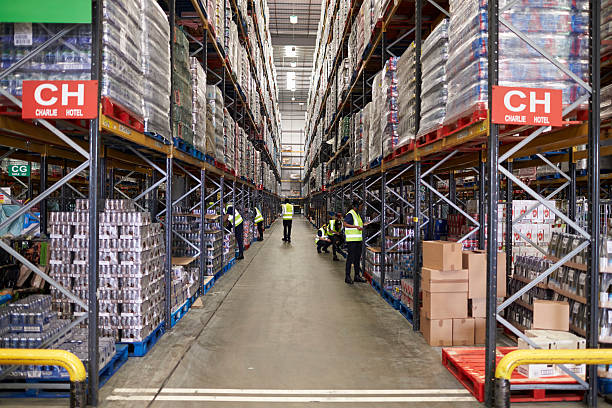
Selective pallet racking is the default for a reason. Every pallet is reachable, which suits operations with many SKUs, short shelf lives or tight rotation rules. The cost is space, since aisles take up cubic feet that you are paying to refrigerate.
Refrigeration is expensive, so density matters more here than in a dry warehouse. Drive-in and drive-through racking pack pallets deep into lanes and cut aisle space sharply, which suits a small number of SKUs in big batches, like frozen vegetables or bulk proteins. Drive-in works last in, first out, while drive-through can run first in, first out if you have access from both sides. The trade is damage, because drivers work inside the lane and impact rates climb.
Pallet shuttle systems are where many new freezers are heading. A battery powered shuttle moves pallets deep into the lane while the forklift stays at the front, so drivers spend less time inside the freezer and rack damage drops. Shuttles do struggle with extreme cold, so ask what temperature range the batteries and electronics are rated for, and what happens during a power loss.
Push back and pallet flow racking work well for fast moving products with a few pallets per SKU, but gravity lanes can ice up and rollers behave differently in the cold. Those are worth seeing in an installed freezer before you commit. Mixed operations can use both approaches, with fast movers in selective racking near the door and slow bulk stock in drive-in at the back.
The slab, the anchors and the ground
The floor is where freezers quietly fail. Moisture in the ground under the slab can freeze and push the floor upward, which is called frost heave. Freezer floors need heating or ventilated sub-floors to prevent it, and racking installed on top of a moving slab will not stay level for long. Ask whether the under-floor heating is glycol, electric or air ducted, because each one fails differently, and none are easy to repair under a loaded rack.
Anchoring is tricky too. Every anchor bolt drilled into a freezer slab is a potential path for moisture and a spot where insulation and vapour barriers can get damaged. The racking supplier and the building designer need to agree on where anchors can go and how deep, ideally before the slab is poured.
Point loads at the uprights are heavy, so the slab needs a structural check that covers the racking, the product and the forklifts moving through. Hire an engineer who has seen freezer floors, not only dry ones.
Build the racking into the building when you can
Rack-supported buildings deserve a serious look for new freezers. In this design the racking carries the wall and roof panels, so there is no separate steel frame and the envelope is much tighter. You cool less empty air, and the building and the racking get designed as one thing.
The catch is coordination. The racking, panels, insulation, floor, doors and refrigeration all depend on each other, and an industrial construction company that can manage them together saves you from the finger pointing that happens when four contractors each build their own part. If construction and racking come from separate firms, put one team in charge of the schedule.
Corrosion, condensation and cleaning
Moisture is the other half of the cold storage problem. Warm air leaking into a freezer leaves frost on everything, and racks that go through defrost cycles or washdowns see moisture constantly. Galvanized finishes last longer than paint in these conditions, and food plants with regular washdowns often need hot dip galvanizing or stainless components in splash zones.
Frost build up also hides damage. A bent beam under a layer of ice is easy to miss, so inspections in freezers need to happen more often, and someone has to clear frost from beam connections. Ask your supplier how they inspect racking at low temperatures, since standard methods assume you can see the steel.
Fire protection and airflow
Sprinklers in freezers are not the same as in dry warehouses. Water in the pipes would freeze, so systems are usually dry pipe or pre-action, and dense racking may need in-rack sprinklers that have to be coordinated with the rack design. Local fire code and your insurer will both have opinions, so involve them early.
Airflow gets its own attention. Refrigeration relies on cold air moving through and around the product, so the gaps between pallets and the space between rows matter. A rack layout that looks efficient on paper can create warm pockets that stress product in the middle of a pallet block. Evaporator placement and rack layout should be designed together.
Installing in the cold
Installation is easier and cheaper before the room is cold. A crew in a freezer works shorter shifts, moves slower and cannot use some tools reliably. If you can build the racking while the building is still at room temperature and then bring the room down gradually, you save labour and cut the risk of mistakes. That ties the racking schedule to the refrigeration commissioning, which is one more reason to keep a single team in charge.
If you are retrofitting an operating freezer, plan around product movement. Moving frozen inventory out and back costs real money, and a poor plan can warm product that cannot afford it. Phase the install by zone and have a temporary holding plan ready.
Forklifts, impacts and aisle width
Cold-rated lift trucks are slower, and drivers in heavy gear have less visibility and dexterity. That raises impact rates, and a hit on cold, brittle steel does more damage than the same hit in a warm building. Column guards, aisle end protectors and guide rails are worth the money, and so is a rule that damaged uprights get reported the same day.
Aisle width looks like a small choice and adds up fast. A bit more room means fewer hits, but it also means more refrigerated cubic feet per pallet. Plenty of operations end up with slightly wider aisles in the freezer than they would use in dry storage, and make the money back through lower repair bills.
What to ask a supplier before you sign
Ask for freezer references and get one on the phone. A supplier who has installed storage racking solutions in cold environments can tell you what broke in year two, and a supplier who has not will hand you a datasheet. Warehouse Racking Solutions that work in a dry building do not automatically transfer.
Get the steel specification, the finish, the load ratings at your operating temperature and the anchoring details in writing. Ask who is responsible if frost heave moves the floor or if the racking fails inspection after the first winter. Clear answers up front are cheap, and unclear ones get expensive once the room is cold.
Ask about service as well. Cold storage racking needs regular inspection and sometimes replacement parts on short notice, because a damaged upright in a freezer is both a safety problem and a product risk. A supplier with technicians who can work in freezers is worth more than a slightly lower quote.
Be honest about growth too. Freezer space is the most expensive square footage in your business, so a layout that cannot expand without a rebuild will hurt later. Ask how the racking can add bays, levels or lanes, and whether the refrigeration and slab can support that growth.
If you are planning a new freezer or upgrading an existing one, contact us with your operating temperature, pallet counts and building details, and we can tell you which racking layout fits before you commit to a design.