
A material processing site runs on a lot of moving parts. Crushers, conveyors, screening decks, and the air compressor keep the whole game running. But of all the equipment, the screening plant is the one that determines what the output actually looks like. Get one step wrong and the whole volume of material you’ve processed becomes a huge dent in your schedule and wallet.
And that’s why it’s been evolving too. The technology driving modern screening plants has advanced to a point where output quality is now more controllable and adaptable than ever before, and the operations that take advantage of that are running to a different standard than those that don’t.
The material complexity problem
A decade ago, most screening operations were dealing with relatively consistent feed material. Aggregate from a single source or quarried rock within a known hardness range. The screening plant was set up for that material and ran accordingly.
Sites today are feeding screening plants with considerably more varied material. There’s a mix of construction and demolition waste and recycled aggregate blended with virgin material. Sometimes you have to deal with excavated soil with variable levels of contamination.
The feed is inconsistent, and inconsistent feed material doesn’t work well with the limitations of older screening technology. Older models rely on single amplitude settings and limited configurations. These machines were built for more predictable input, and that’s not what you’re dealing with today.
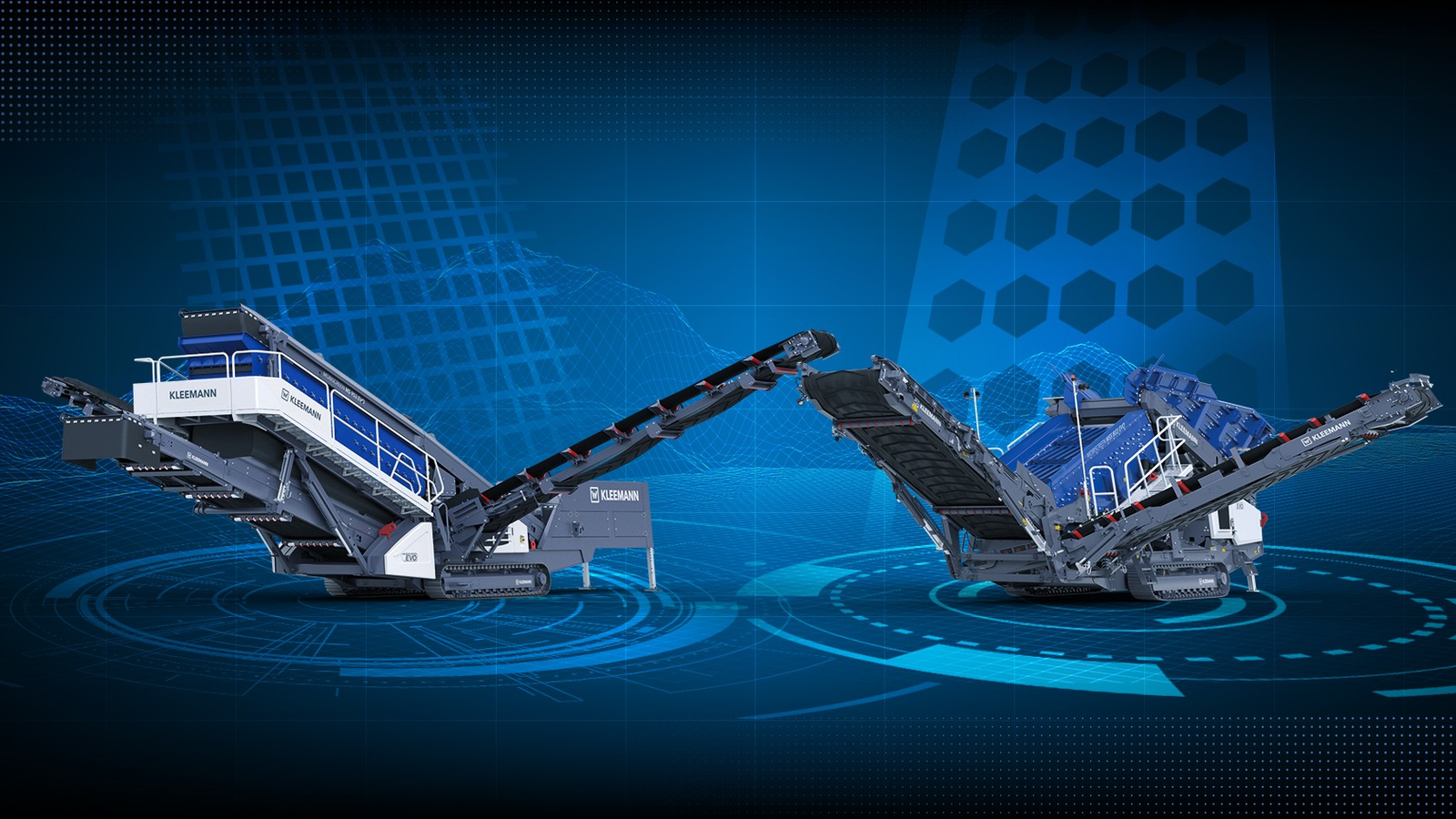
Modern screening plants have adjustable, variable amplitude drives that respond to changes in material density and moisture content, and multi-deck configurations that can sort material into more fractions in a single pass. With a modern plant, you can easily handle variable feed without the constant manual work required by older machines.
See also: Balancing Technology and Human Life
The merits of intelligent feed management
A quarrying operation running outside Fujairah had been processing mixed demolition and excavated material for a road infrastructure project in the area. The feed material was sourced from multiple locations across the project. But with multiple locations came multiple variations in the material, which was causing the screening plant to produce inconsistent output.
The material wasn’t graded to a specific sub-base and couldn’t meet the project specification. Something needed to be done fast!
So, the operation switched to a newer plant mid-project, which had variable amplitude control and real-time feed monitoring. The monitoring system tracked the load on each screen deck continuously and adjusted the amplitude to compensate for changes in feed density. Output consistency improved within the first week. And the operation was back to meeting production targets and quality!
You see, the older plant had been running the material. The newer one was reading it.
Mobility has changed the way a screening operation looks
Mobile machines are here to stay, and that includes mobile screening plants. Mobile and tracked screening plants can move to the material rather than have to come to them, and that’s a game-changer on most sites.
On a construction site, for example, the plant relocates as demolition work progresses across the site rather than requiring a dedicated material-handling operation to centralise feed. On a quarrying operation, it follows the working face. The reduction in material handling between excavation and processing is a cost-saving that compounds across the life of a project.
The drivetrain technology on tracked plants has improved significantly alongside the screening technology itself. Running a tracked screening plant across varied site terrain and relocating it without a dedicated operator used to require more skill and time than most sites were willing to commit.
But Allison transmission systems on the tracked drive units have made this much more straightforward, with smooth, controllable power delivery across the kind of uneven ground that construction sites consistently present. The plant gets where it needs to go without the positioning becoming an event in itself.
Material processing has always rewarded operations that could handle more material with less intervention. Screening plant technology is delivering that at a level the industry hasn’t seen before. The older plant simply cannot match.