
As temperatures continue to rise in many regions, the need for affordable and environmentally responsible cooling systems has grown significantly. Homeowners and businesses are actively searching for alternatives to traditional air conditioning systems that often consume high amounts of electricity and lead to expensive operating costs. Modern cooling solutions are now focused on improving comfort while reducing energy consumption and environmental impact.
In recent years, direct evaporative coolers have become a popular choice for residential and commercial spaces due to their energy-efficient and eco-friendly cooling performance. These systems use the natural process of water evaporation to lower air temperature, making them an effective solution for hot and dry climates. Compared to conventional air conditioners, evaporative cooling systems require less electricity, provide continuous fresh airflow, and offer lower maintenance costs while still delivering reliable indoor comfort.
What Are Direct Evaporative Coolers?
Direct evaporative coolers, often called swamp coolers, are cooling systems that use water evaporation to cool incoming air. Warm outdoor air passes through water-saturated cooling pads, and as the water evaporates, the air temperature decreases naturally before being circulated indoors.
Unlike refrigerated air conditioning systems, direct evaporative coolers do not rely on compressors or chemical refrigerants. Instead, they use a simple and energy-efficient process that cools and humidifies the air simultaneously.
How Direct Evaporative Cooling Works
The working process of direct evaporative cooling is straightforward and efficient.
Step 1: Warm Air Intake
The system draws warm outside air into the cooler using a fan.
Step 2: Air Passes Through Wet Cooling Pads
The incoming air moves through specially designed water-soaked pads.
Step 3: Evaporation Process
As water evaporates from the pads, it absorbs heat from the air, lowering the air temperature.
Step 4: Cool Air Distribution
The cooled air is then circulated throughout the building using ducts or direct airflow systems.
This natural process allows the system to provide fresh, cool air while consuming significantly less electricity.
Why Direct Evaporative Coolers Are Energy Efficient
One of the biggest advantages of direct evaporative coolers is their low energy usage compared to traditional air conditioning systems.
1. No Compressor Required
Traditional air conditioners rely on compressors, which consume a large amount of electricity. Direct evaporative coolers eliminate the need for compressors entirely.
2. Lower Power Consumption
These systems mainly use fans and water pumps, which require much less energy to operate.
3. Reduced Cooling Costs
Because of lower electricity usage, operating costs are significantly reduced, making them ideal for long-term savings.
4. Environmentally Friendly Cooling
Direct evaporative coolers use water instead of harmful refrigerants, reducing environmental impact.
Benefits of Direct Evaporative Coolers for Residential Spaces
Homeowners are increasingly choosing direct evaporative cooling systems for comfort and affordability.
1. Lower Energy Bills
Residential cooling costs can be expensive during hot seasons. Direct evaporative systems help reduce monthly electricity expenses.
2. Continuous Fresh Air Circulation
Unlike traditional air conditioning systems that recirculate indoor air, evaporative coolers continuously bring fresh air into the home.
3. Improved Indoor Air Quality
The constant flow of fresh air helps reduce indoor pollutants and stale air buildup.
4. Added Humidity in Dry Climates
In dry environments, the added moisture improves comfort and reduces dryness-related issues.
5. Quiet Operation
Most direct evaporative coolers operate quietly, creating a more comfortable indoor environment.
Benefits for Commercial Spaces
Commercial properties also benefit greatly from evaporative cooling technology.
1. Cost-Effective Cooling for Large Areas
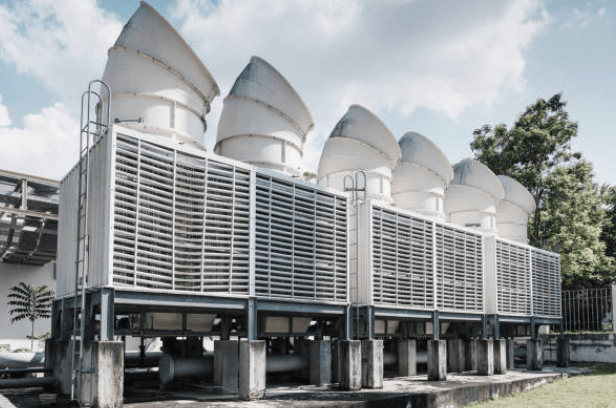
Warehouses, workshops, retail stores, and industrial spaces often require cooling across large open areas. Direct evaporative systems provide efficient cooling at lower operational costs.
2. Energy Savings for Businesses
Lower electricity consumption helps businesses reduce operating expenses and improve energy efficiency.
3. Better Ventilation
Continuous fresh airflow improves indoor comfort for employees and customers.
4. Scalable Cooling Solutions
Commercial evaporative systems can be designed for different building sizes and layouts.
Ideal Climate Conditions for Direct Evaporative Cooling
Direct evaporative coolers work best in hot and dry climates because low humidity allows water to evaporate more efficiently.
They are highly effective in regions with:
- High temperatures
- Low humidity levels
- Dry summer conditions
In humid climates, their cooling performance may be reduced because the air already contains significant moisture.
Comparison Between Direct Evaporative Coolers and Traditional Air Conditioners
Direct Evaporative Coolers
- Lower energy consumption
- Fresh air circulation
- Environmentally friendly
- Lower installation and maintenance costs
- Adds moisture to air
Traditional Air Conditioners
- Higher electricity usage
- Recirculated indoor air
- Uses refrigerants
- Higher operational costs
- Removes humidity from air
This comparison highlights why evaporative cooling is becoming increasingly popular in suitable climates.
Maintenance Requirements
Proper maintenance is important for ensuring long-term efficiency and performance.
Common maintenance tasks include:
- Cleaning cooling pads
- Checking water pumps
- Replacing filters when necessary
- Inspecting water lines and drainage systems
- Seasonal system servicing
Regular maintenance helps improve airflow, cooling efficiency, and system lifespan.
Common Applications of Direct Evaporative Coolers
These cooling systems are suitable for a wide range of environments.
Residential Applications
- Homes and apartments
- Outdoor patios
- Garages and workshops
Commercial Applications
- Warehouses
- Factories
- Retail spaces
- Restaurants
- Event venues
Their flexibility makes them a practical solution for many industries.
Environmental Advantages of Evaporative Cooling
Sustainability is one of the major reasons many businesses and homeowners choose evaporative cooling systems.
Environmental benefits include:
- Lower carbon emissions
- Reduced energy demand
- No harmful refrigerants
- Improved air circulation
- Reduced environmental impact
These features make evaporative cooling a greener alternative to traditional HVAC systems.
Factors to Consider Before Installation
Before installing a direct evaporative cooling system, several factors should be evaluated.
Climate Suitability
Dry climates provide the best performance for evaporative cooling.
Building Size
The system must be properly sized for the area being cooled.
Ventilation Design
Good airflow is essential for effective operation.
Water Availability
The system requires a consistent water supply for cooling.
Proper planning ensures maximum efficiency and comfort.
Future of Direct Evaporative Cooling Technology
Cooling technology continues to evolve with innovations that improve efficiency and sustainability.
Future developments include:
- Smart temperature control systems
- Improved cooling pad materials
- Energy-efficient fan technology
- Automated maintenance monitoring
- Integration with renewable energy systems
These advancements are expected to make evaporative cooling even more efficient and environmentally friendly.
Importance of Professional Installation
Professional installation ensures the system operates at maximum efficiency and delivers long-term performance. Experienced technicians can properly assess airflow requirements, cooling capacity, and building layout.
For advanced cooling solutions, Yesarctic provides energy-efficient evaporative cooling systems designed for residential and commercial applications.
See also: Business Class Tickets to Delhi: A Complete Guide to Luxury Air Travel
Final Thoughts
As energy costs continue to rise, more homeowners and businesses are turning to sustainable cooling alternatives. Direct evaporative coolers offer an energy-efficient, environmentally friendly, and cost-effective solution for maintaining indoor comfort in hot and dry climates.
With lower electricity usage, improved air circulation, and reduced environmental impact, direct evaporative cooling systems provide an excellent balance between performance and affordability for modern residential and commercial spaces.