
No two homes offer the same space for offering prayers. A studio apartment might spare one shallow wall, while a large bungalow can give an entire room to the Deities. A temple bought without that difference in mind ends up looking lost or overpowering. Working with a marble temple manufacturer that plans for your actual space avoids that mismatch.
A marble temple manufacturer with its own design team gives homeowners far more room to choose their vision. Sizes shift to suit the wall, and the style can lean traditional or quietly modern. Families with a crowded altar finally get a temple where every idol has its own place, carved in white Vietnam marble that works with either look.
Compact Flats and Large Homes Need Different Temples
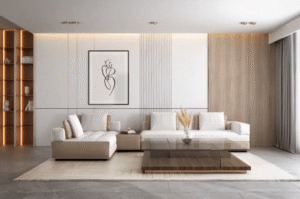
Scale Set by the Room Itself: A home marble temple should be sized to the wall behind it and the ceiling above it, not to a photograph that looked good online. Compact apartments usually suit a wall-mounted or low floor temple. Larger residences can carry a taller piece with a dome and pillars. Get the scale wrong and the temple never quite settles.
The Cost of Deciding Too Late: Deciding on a temple after the interiors are complete leaves fewer places it can go and fewer sizes that fit. In day-to-day consultations, mandir designers routinely meet homeowners holding a finished floor plan and a saved photo that no longer fits anywhere. The usual outcome is a compromise, sometimes a smaller temple, sometimes a corner Vastu would not favour.
See also: Balancing Technology and Human Life
Custom Details Built around the Family
Sizing for Tight Spaces: Custom sizing lets a marble temple fit spaces that standard models cannot, such as a shallow niche or the wall between two windows. Designers adjust depth first, since that decides whether someone can stand close enough to offer flowers. Height comes next. A low beam or a sloping ceiling shapes the outline more than most buyers realise.
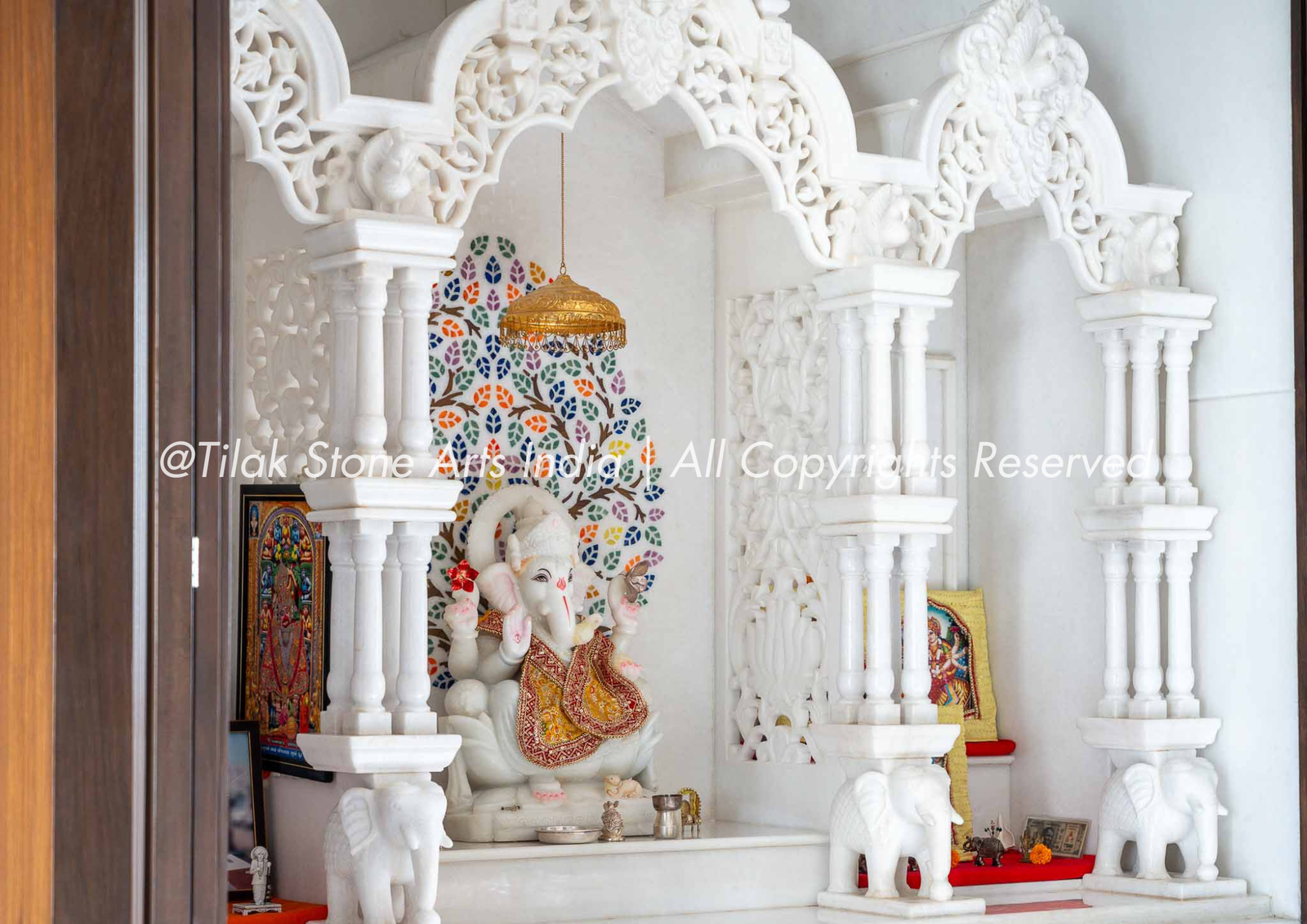
Styling That Suits Existing Décor: A custom marble temple can match existing décor by picking up the lines and finishes already in the home. Traditional designs borrow from Hindu temple architecture, with shikhara tops and carved pillars. Contemporary ones keep the white stone but strip the ornament back to clean arches and a single lotus panel. Both can look right. The room decides.
Room for Several Deities at Once: A temple for multiple deities needs tiered steps or separate niches so each idol stays visible and properly spaced. Many homes keep a family deity alongside Ganesha and Lakshmi, and the collection grows over the years. During Hindu festivals such as Diwali, when relatives gather in front of the temple, extra lamps and offerings need somewhere to sit.
Bespoke or Ready-Made, Whichever the Home Needs
Ready-Made Pieces for Standard Spaces: A ready-made marble temple works well for a regular space and a family that already likes one of the collection’s designs. Delivery is quicker, and buyers can see the finished piece before paying. The honest limit is flexibility. Proportions and deity steps come fixed, so an unusual wall or a large idol collection may not suit it.
Bespoke Work for Everything Else: A bespoke temple makes sense once the space or the idol arrangement falls outside what a catalogue covers. It takes longer, since design approval comes before any carving. A marble temple manufacturer offering both bespoke and ready-made options can point each family towards the route that fits, instead of pushing one answer on everyone.
Seeing the Finished Temple before Production Begins
Consultations That Start with the Room: A temple design consultation gathers room measurements and the family’s prayer habits before anything gets drawn. Photos help. So do a quick note on who uses the temple and when, since a family that performs a long evening aarti needs more standing room than one that lights a single diya. Small answers here save redesigns later.
True-Scale 3D Visuals: A 3D visual shows the proposed temple inside the actual room, at true scale, before production begins. Homeowners can judge the arch height against the ceiling and see how the white marble sits beside their flooring. A marble temple manufacturer that shares these visuals early gives families a chance to rethink details while edits are still simple.
Right-Sized Stone Holds Its Value
Stone That Needs Little Upkeep: White Vietnam marble suits home temples because its fine grain holds crisp carving and stays bright with gentle cleaning. Wiping diya soot away with a damp cloth handles most weekly care. Temples built in sections also come apart for a house move, so a well-made piece can travel with the family instead of being left behind.
Points to Settle before Production: A few decisions made before production protect a temple’s long-term value more than any later fix can. A dependable marble temple manufacturer raises each of these during consultation. Homeowners who arrive with answers ready usually reach a final design sooner, with fewer rounds of revision. Most of them take minutes to settle.
- Ceiling height matters as much as wall width.
- Count every idol, even the small ones.
- Seated or standing prayer changes the platform height.
- A flooring photo helps designers match tones.
- Confirm the stone is white Vietnam marble.
A Temple That Finally Fits
A temple that fits its intended space lets the family focus on prayer rather than on what feels slightly off. Each wall that gets finished first takes one more option away. Book a consultation and ask for a 3D visual of your own room before choosing between a ready-made design and a bespoke one.